


06/24/2024
Share This Story, Choose Your Platform!

Who Can Execute the Work of the Sprint Backlog?
Did you know that projects managed with Agile methodologies report a success rate of 75%, compared to just 56% for traditional project management methods? In the dynamic world of Agile development, understanding who can execute the work of the sprint backlog is essential for project success. At Max Technical Training, we aim to clarify this topic to ensure your team is well-equipped to efficiently manage and execute sprint backlogs. This blog will delve into the basics of the sprint backlog, key roles and responsibilities, execution and management practices, and common challenges with solutions.
Understanding the Basics
What is a Sprint Backlog?
A sprint backlog is a fundamental artifact in the Scrum framework, acting as a dynamic to-do list for the development team. It outlines the work that needs to be completed during a sprint, typically lasting one to four weeks. The sprint backlog includes tasks, user stories, and features selected from the product backlog. It serves as a detailed plan, guiding the team through the sprint cycle and helping them stay focused on achieving the sprint goals.
- Dynamic To-Do List: The sprint backlog is not static; it evolves throughout the sprint as the team gains more insights and information. This flexibility allows the team to adapt to changes and ensure the highest priority tasks are addressed.
- Detailed Plan: It includes all the necessary tasks, user stories, and features that need to be accomplished during the sprint. This detailed plan ensures that every team member knows what needs to be done and can work efficiently towards the sprint goals.
- Focus on Goals: The sprint backlog helps keep the team aligned and focused on the sprint objectives. By having a clear list of tasks, the team can prioritize their work and ensure they are on track to meet their goals.

Why is the Sprint Backlog Important?
The sprint backlog is crucial for several reasons:
- Direction and Focus: It provides clear direction for the development team by detailing the tasks to be accomplished within a specific timeframe. This helps the team stay on track and ensures that everyone knows what needs to be done and when.
- Transparency and Accountability: It enhances transparency and accountability by defining the work items and responsibilities, ensuring that all team members understand their roles and what is expected of them. This clarity helps prevent misunderstandings and ensures that everyone is working towards the same objectives.
- Progress Tracking: It allows stakeholders to track progress and make informed decisions based on real-time updates. This fosters collaboration and continuous improvement, as stakeholders can provide feedback and make adjustments as needed to keep the project on track. In an Agile environment, it’s crucial to identify who can execute the work of the sprint backlog to ensure efficient task completion and project success.
When is the Sprint Backlog Created?
The sprint backlog is created during the sprint planning meeting, which marks the beginning of a new sprint cycle. Key stakeholders, including the Product Owner, Scrum Master, and Development Team, come together to discuss and determine the scope of work for the upcoming sprint. The team reviews and prioritizes items from the product backlog, estimates the effort required, and establishes a clear plan for execution.
- Sprint Planning Meeting: This meeting is held at the start of each sprint cycle and involves all key stakeholders. It sets the tone for the upcoming sprint and ensures everyone is on the same page. During the sprint planning meeting, it’s important to clarify who can execute the work of the sprint backlog and assign tasks accordingly.
- Collaborative Discussion: The meeting involves a collaborative discussion among the Product Owner, Scrum Master, and Development Team. This discussion helps ensure that all perspectives are considered and that the team is aligned on the priorities and scope of work.
- Scope Determination: During the meeting, the team discusses and decides on the tasks to be included in the sprint backlog. This helps ensure that the team is focused on the most important tasks and that they have a clear understanding of what needs to be done. Determining who can execute the work of the sprint backlog is a key step in sprint planning, enabling the team to allocate resources effectively.
- Effort Estimation: The team estimates the effort required for each task. This estimation helps ensure that the team can realistically complete the tasks within the sprint timeframe.
- Establishing Plan: A clear execution plan is formed for the sprint. This plan includes the prioritized tasks and the estimated effort required for each task, ensuring that the team has a clear roadmap for the sprint.

Who Owns the Sprint Backlog?
While the sprint backlog is a collaborative artifact, it is primarily owned by the Development Team. This ownership empowers team members to take full responsibility for planning and executing the tasks within the sprint backlog. It aligns with Scrum’s principle of self-organization, allowing the team to decide on task allocation, set priorities, and make necessary adjustments based on emerging requirements.
- Primary Ownership: The Development Team holds the main responsibility for the sprint backlog. This ensures the team is fully committed to completing the tasks and meeting the sprint goals. It is the Development Team who can execute the work of the sprint backlog, leveraging their collective skills and expertise to deliver high-quality results.
- Empowers Team Members: Ownership encourages team members to take full responsibility for planning and execution. This empowerment helps ensure that the team is motivated and committed to delivering high-quality work.
- Self-Organization Principle: The sprint backlog aligns with Scrum’s core value of self-organization. By allowing the team to decide how to allocate tasks and set priorities, Scrum ensures that the team can work efficiently and effectively.
- Task Allocation: The team decides how to allocate tasks based on their skills and expertise. This ensures that each task is completed by the most qualified team member, improving efficiency and quality.
- Priority Setting: The team sets and adjusts priorities as needed. This flexibility allows the team to adapt to changes and ensure that the most important tasks are completed first.
Who Can Execute the Work of the Sprint Backlog?
The Role of the Development Team

The Development Team is at the heart of executing the work of the sprint backlog. Comprised of skilled professionals with diverse expertise, the team collaborates closely to deliver high-quality increments of work within each sprint cycle. They collectively plan, organize, and complete tasks, ensuring alignment with sprint goals and maintaining a focus on delivering value.
- Skilled Professionals: The Development Team consists of professionals with diverse expertise. This diversity allows the team to tackle a wide range of tasks and ensures that each task is completed to a high standard.
- Collaborative Effort: The team works closely together to achieve the sprint goals. This collaboration ensures that everyone is aligned and working towards the same objectives. Understanding who can execute the work of the sprint backlog allows for better collaboration and a more streamlined development process.
- High-Quality Increments: The team focuses on delivering high-quality work during each sprint. This focus on quality ensures that the final product meets the requirements and provides value to the stakeholders.
- Planning and Organizing: The team collectively plans and organizes the tasks in the sprint backlog. This planning ensures that the team can work efficiently and meet the sprint goals.
- Value Delivery: The team consistently focuses on delivering value. This focus ensures that the final product meets the requirements and provides value to the stakeholders.
Responsibilities of the Scrum Master
The Scrum Master plays a pivotal role in guiding and supporting the team throughout the sprint. Their responsibilities include:
- Facilitating Scrum Processes: Ensuring that all team members understand and adhere to Scrum principles and practices. This includes guiding the team through the Scrum events and helping them understand their roles and responsibilities.
- Removing Obstacles: Proactively identifying and addressing any impediments that may hinder progress. This includes removing any obstacles that may prevent the team from completing their tasks and achieving the sprint goals. The Scrum Master plays a vital role in determining who can execute the work of the sprint backlog by facilitating discussions and removing obstacles.
- Promoting Communication: Facilitating events like Daily Stand-ups, Sprint Planning Meetings, and Sprint Reviews to ensure alignment and transparency. These events help ensure that everyone is on the same page and that any issues or concerns are addressed promptly.
Check out Max Technical Training’s Professional Agile Leadership Essentials (PAL-E) Training course to hone your Scrum master skills!

How Product Owners Contribute
Product Owners are crucial in ensuring the sprint backlog aligns with business objectives. Their contributions include:
- Defining and Prioritizing Backlog Items: Working closely with stakeholders to gather requirements and prioritize items based on business value. This ensures that the most important tasks are included in the sprint backlog.
- Guiding the Development Team: Providing context and clarifying requirements during sprint planning and throughout the sprint. This guidance helps ensure that the team understands what needs to be done and why it is important. The Product Owner provides valuable insights into prioritizing tasks, but it is ultimately the Development Team who can execute the work of the sprint backlog.
- Backlog Definition: The Product Owner defines and prioritizes items in the backlog. This ensures that the team is focused on the most important tasks.
- Stakeholder Collaboration: The Product Owner works with stakeholders to gather requirements. This collaboration ensures that the team understands what needs to be done and why it is important.
- Business Value Focus: The Product Owner prioritizes items based on their business value. This ensures that the most important tasks are included in the sprint backlog.
- Context Provider: The Product Owner offers context and clarity to the team. This guidance helps ensure that the team understands what needs to be done and why it is important.
Collaboration Among Team Members
Effective collaboration is vital for the successful execution of the sprint backlog. Key elements include:
- Communication: Regular meetings and open lines of communication help address progress, issues, and priorities. This communication ensures that everyone is aligned and working towards the same objectives. Clear communication about who can execute the work of the sprint backlog helps prevent misunderstandings and ensures that all tasks are properly managed.
- Trust and Respect: Recognizing and leveraging each team member’s strengths fosters a collaborative environment. This trust and respect help ensure that the team can work together effectively.
- Empowerment: Encouraging team members to share ideas and seek help when needed enhances problem-solving capabilities. This empowerment helps ensure that the team can address any issues or challenges that arise during the sprint.
Execution and Management

Best Practices for Managing the Sprint Backlog
To manage the sprint backlog effectively, teams should:
- Prioritize Tasks: Plan and sequence tasks based on their importance and dependencies. This prioritization helps ensure that the most important tasks are completed first. By understanding who can execute the work of the sprint backlog, the team can better organize and prioritize their efforts to meet sprint goals.
- Regularly Review and Update: Maintain flexibility by updating the sprint backlog as new information becomes available. This flexibility allows the team to adapt to changes and ensure that the highest priority tasks are addressed.
- Communicate Transparently: Ensure clear and open communication about task progress and changes in priorities. This communication helps ensure that everyone is aligned and working towards the same objectives.
What May Be Included in the Sprint Backlog?
The sprint backlog typically consists of the following:
- User Stories: Specific features or requirements to be implemented. These user stories represent the functional requirements of the product.
- Tasks: Smaller, manageable units derived from user stories. These tasks break down the user stories into actionable steps.
- Bugs: Issues identified that need prompt fixing. These bugs represent defects that need to be addressed to ensure the quality of the product.
- Technical Work: Infrastructure changes, refactoring, or other non-feature-related activities essential for maintaining code quality. This technical work helps ensure that the product is maintainable and scalable.

Challenges and Solutions
Common Challenges and Solutions
Teams often face challenges in executing the sprint backlog, such as:
- Lack of Clear Prioritization: Without a defined task order, inefficiencies and delays can occur. Regular reviews and adjustments help maintain focus on high-priority tasks.
- Scope Creep: Unplanned additions or changes disrupt the sprint. Adhering strictly to the planned sprint backlog and managing stakeholder expectations mitigate scope creep.
- Prioritization Issues: Addressed by regular reviews and adjustments. This helps ensure that the team is focused on the most important tasks and can complete them efficiently.
Conclusion
Effective execution of the sprint backlog requires clear communication, collaboration, and alignment among team members. By understanding the roles each individual plays, teams can ensure that work is completed efficiently and in line with sprint goals. At Max Technical Training, we emphasize the importance of embracing Agile principles and fostering a culture of transparency, accountability, and continuous improvement to achieve successful project outcomes.
- Clear Communication: Essential for aligning team efforts and ensuring that everyone is on the same page.
- Collaborative Effort: Necessary for efficient task execution and achieving the sprint goals.
- Role Clarity: Understanding roles ensures efficiency and helps prevent misunderstandings and delays. During the sprint planning meeting, we discussed who can execute the work of the sprint backlog and assigned tasks accordingly.
- Agile Principles: Foster transparency, accountability, and continuous improvement to ensure successful project outcomes.
By following these guidelines and best practices, your team will be well-positioned to manage and execute the work of the sprint backlog effectively, ensuring project success and stakeholder satisfaction. At Max Technical Training, we are committed to helping you achieve your goals and deliver high-quality products through effective Agile practices. In an Agile environment, it’s crucial to identify who can execute the work of the sprint backlog to ensure efficient task completion and project success. To master Scrum and enhance your team’s performance, enroll in Max Technical Training’s Agile Scrum Implementation Workshop today!
Read More Articles From MaxTrain Technical Training

Selecting the right AI instructors
Resource Article · AI Training Selecting the right AI instructors How MAX Technical Training vets its instructors — and why that process changes everything about your learning experience. There has never been more AI [...]
New ITIL5 Explained for Certified Professionals
The new ITIL builds on everything professionals already value in ITIL, evolving the framework to reflect today’s digital, product-centric, and AI-enabled reality. Existing knowledge, experience, and certifications remain fully relevant as part of this evolution. [...]
Microsoft Copilot Prompt Guide
Unlocking Productivity with Copilot: A Prompt Library for Microsoft Tools As organizations begin to explore the transformative potential of Microsoft Copilot, one thing becomes clear: the quality of your prompts directly impacts the value you [...]

A Practical Guide to Implementing Microsoft Copilot in Your Organization
A Practical Guide to Implementing Microsoft Copilot in Your Organization Date: October 14, 2025 Author: Dustin Miller Microsoft Copilot is transforming how organizations work—but unlocking its full potential requires more than just turning it on. [...]

The Power of Copilot | Boost Productivity with AI
The Power of Copilot Date: October 8, 2025 Author: Dustin Miller 1. What Can Copilot Actually Do for You? Summary: Many professionals and organizations hear about AI tools like Copilot but aren't sure what they [...]
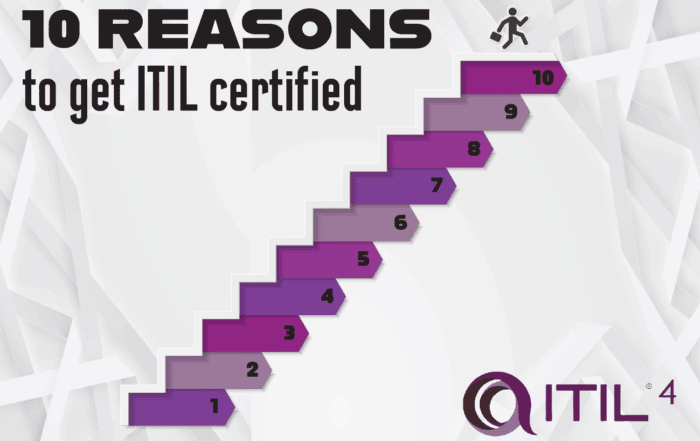
10 Reasons You Should Get ITIL Certified
By Lisa Schwartz, CEO ITSM Academy Published: August 21, 2025 Whether you’re just starting out in IT or you're looking to advance your career and make a bigger impact in your organization, ITIL certification [...]