


03/18/2024
Share This Story, Choose Your Platform!

Scrum Master vs Project Manager: Key Differences Explained
In today’s fast-paced business environment, the ability to effectively manage projects has become a critical factor in achieving success. With the constant evolution of markets and technologies, organizations increasingly turn to agile methodologies like Scrum to stay competitive and adapt to change. However, understanding the nuances between traditional project management and agile practices is essential for navigating this landscape.
Max Technical Training offers comprehensive programs designed to equip individuals with the expertise needed to excel in Agile and Scrum methodologies. Whether you’re a seasoned project manager looking to transition to agile practices or a newcomer eager to enter the field, our courses provide the knowledge and skills necessary to thrive in today’s dynamic business world.
By exploring the key differences between Scrum Masters and Project Managers, we can gain insight into the unique roles each plays in driving project success. Through our specialized training, participants will learn not only the fundamental principles of Scrum but also how to apply them in real-world scenarios effectively. With a focus on practical skills development and hands-on learning, Max Technical Training empowers professionals to lead agile teams with confidence and proficiency. Join us on the journey to becoming an agile expert and unlock new opportunities for personal and professional growth.
What is Scrum?
Scrum is a framework used in agile project management, particularly in software development and various other fields. It emphasizes iterative and incremental progress, collaboration, and flexibility in responding to change. The core components of Scrum include:
- Roles: Scrum defines three primary roles:
- Product Owner: This person represents the stakeholders and the voice of the customer. He or she is responsible for defining the product’s features and prioritizing the product backlog.
- Scrum Master: This person facilitates the Scrum process, ensures the team adheres to its practices and values, and helps remove any obstacles that may impede progress.
- Development Team: Cross-functional team responsible for delivering increments of potentially shippable products at the end of each sprint.
- Artifacts:
- Product Backlog: A prioritized list of all desired features and enhancements to the product.
- Sprint Backlog: A subset of the Product Backlog items that the team commits to completing during a sprint.
- Increment: The sum of all the Product Backlog items completed during a sprint, potentially releasable to the customer.
- Events:
- Sprint: A time-boxed period, typically 2-4 weeks, during which the Development Team works to deliver a potentially shippable product increment.
- Sprint Planning: At the beginning of each sprint, the team plans the work to be done and agrees on the Sprint Goal.
- Daily Scrum: A short daily meeting where team members synchronize their activities and plan their work for the day.
- Sprint Review: Held at the end of each sprint, the team demonstrates the completed work to stakeholders and receives feedback.
- Sprint Retrospective: A meeting will be held after the Sprint Review, during which the team will reflect on the sprint and identify opportunities for improvement.
Scrum promotes transparency, inspection, and adaptation throughout the development process, allowing teams to respond quickly to changes in requirements or priorities. It’s widely used due to its flexibility, simplicity, and ability to foster collaboration within teams.

What is Project Management?
Project management is the discipline of planning, organizing, and managing resources to successfully complete specific project goals and objectives. It involves applying knowledge, skills, tools, and techniques to project activities to meet project requirements within specified constraints, such as time, budget, and scope.
Key aspects of project management include:
- Initiation: This phase involves defining the project, its objectives, scope, and stakeholders. It also involves identifying the business case and feasibility of the project.
- Planning: Developing a roadmap to guide the project execution. This includes defining the project scope, objectives, tasks, schedules, resource allocation, budgeting, risk assessment, and procurement planning.
- Execution: Carrying out the plan according to the established guidelines. This involves coordinating people and resources, managing stakeholder expectations, and ensuring that project deliverables are produced as planned.
- Monitoring and Controlling: This phase tracks project performance against the plan, identifies and addresses any deviations or issues, and implements changes as needed to keep the project on track. It also includes monitoring progress, managing risks, and controlling scope, schedule, and budget.
- Closure involves finalizing all project activities, completing any remaining deliverables, obtaining acceptance from stakeholders, releasing project resources, and formally closing out the project.
Project management is applied across various industries and sectors to manage a wide range of projects, from construction and engineering projects to software development, marketing campaigns, and organizational change initiatives. Effective project management ensures that projects are completed efficiently, on time, within budget, and to the satisfaction of stakeholders. It involves not only technical skills but also leadership, communication, problem-solving, and interpersonal skills.
Scrum Master Vs Project Manager Overview
Scrum Master: Guiding the Agile Journey
Within a Scrum team, the Scrum Master plays a pivotal role in ensuring the smooth implementation of Agile practices. The primary responsibility of a Scrum Master is to serve as a facilitator, guiding the team through various ceremonies such as daily stand-up meetings, sprint planning sessions, sprint reviews, and retrospectives.
By orchestrating these key gatherings, the Scrum Master fosters collaboration and transparency among team members, enabling them to align their efforts toward achieving sprint goals. In addition to facilitating meetings, a Scrum Master also acts as a shield for the team by removing impediments that hinder progress.
This can range from resolving conflicts within the team to addressing external issues that may impact project delivery. Furthermore, a proficient Scrum Master ensures that the team adheres strictly to Agile principles and practices, promoting continuous improvement and adaptation throughout the project lifecycle.
Project Manager
A Project Manager is traditionally tasked with overseeing projects from initiation to completion using established project management methodologies. Their responsibilities encompass creating comprehensive project plans that outline scope, timelines, resource allocation, and budget constraints.
By defining clear objectives and setting realistic expectations upfront, Project Managers lay the foundation for successful project execution. Beyond planning, Project Managers are responsible for monitoring progress throughout the project lifecycle.
This involves tracking key performance indicators (KPIs), identifying risks that may derail progress, and implementing timely mitigation strategies to ensure project goals are met within specified budget and timeline constraints. Through effective communication and strategic decision-making skills, Project Managers navigate projects through challenges while maintaining alignment with overarching organizational objectives.

Scrum Master Vs Project Manager: Skill Sets
Scrum Master
The role of a Scrum Master demands a unique set of skills distinct from those required by a traditional Project Manager.
Communication Skills
They must be adept at facilitating team interactions and ensuring that all members understand their roles and responsibilities within the Agile framework. Effective communication helps foster collaboration, resolve conflicts, and keep everyone aligned toward the common goal of delivering value to the customer.
Leadership
Moreover, the Scrum Master adopts a servant leadership approach, where they prioritize empowering team members over asserting authority. This style of leadership encourages self-organization within the team and fosters a culture of continuous improvement.
Knowledge Of Agile Principles And Practices
In addition to communication and leadership skills, an in-depth knowledge of Agile principles and practices is fundamental for a successful Scrum Master. They serve as the guardian of Agile values within the team, ensuring that processes are followed correctly and that any deviations are promptly addressed.
This expertise allows them to guide the team through complex projects by leveraging Agile methodologies such as Scrum or Kanban effectively. By staying abreast of industry best practices and trends in Agile development, the Scrum Master can lead their team towards delivering high-quality products efficiently and adaptively in response to changing requirements.
Project Manager
On the other hand, a Project Manager’s skill set is tailored towards overseeing complex projects through structured planning and execution.
Organizational Skills
Organizational skills play a vital role in their effectiveness as they coordinate various project elements such as resources, timelines, budgets, and deliverables. Project Managers need to create detailed project plans that outline tasks, dependencies, milestones, and deadlines to ensure smooth project progression.
Their ability to maintain order amidst chaos is crucial for aligning resources with project objectives while optimizing efficiency throughout all stages of project development.
Decision-making Abilities
Decision-making abilities are another key competency essential for Project Managers as they navigate unforeseen challenges and competing priorities within projects.
Prioritizing tasks based on overarching project goals requires strategic thinking coupled with an understanding of how each decision impacts overall project success. Whether it involves resolving resource conflicts or adjusting timelines to accommodate changes in scope, Project Managers must make informed decisions swiftly to keep projects on track toward successful completion.
Scrum Master Vs Project Manager: Collaboration
In both the roles of Scrum Master and Project Manager, collaboration with stakeholders is crucial for project success. The Scrum Master acts as a bridge between the development team and stakeholders, ensuring that requirements are clearly understood and translated into actionable tasks.
By facilitating discussions, eliciting feedback, and incorporating changes iteratively, the Scrum Master ensures that the product meets stakeholder expectations. Additionally, the Scrum Master encourages stakeholder involvement throughout the development process to maintain alignment with evolving needs.
On the other hand, Project Managers engage stakeholders in a structured manner to gather comprehensive project requirements. They utilize techniques such as stakeholder interviews, focus groups, and workshops to elicit detailed specifications that align with business objectives.
Project Managers are responsible for documenting these requirements in project plans and communicating them effectively to the team. Their focus lies not only on understanding what stakeholders want but also on ensuring that these requirements are feasible within project constraints.

Scrum Master Vs Project Manager: Key Differences
The primary focus of a Scrum Master lies in fostering a collaborative environment within the Scrum team. They work towards building a cohesive team that functions seamlessly together, emphasizing communication, trust, and shared responsibility.
The Scrum Master’s role centers around enabling self-organization within the team and encouraging each member to contribute their expertise towards achieving collective goals. On the other hand, a Project Manager’s primary emphasis is on project execution.
They are responsible for overseeing the project from initiation to closure, ensuring that tasks are completed on time, within budget, and according to specifications. Project Managers often take a more directive approach in managing tasks and resources to meet project objectives.
Scrum Master Vs Project Manager: Conclusion
In the dynamic landscape of project management, understanding the nuances between traditional methodologies and agile practices is essential for success. The roles of Scrum Masters and Project Managers play a crucial part in driving project outcomes, each with its unique set of responsibilities and skill requirements.
At Max Technical Training, we offer comprehensive programs designed to equip individuals with the expertise needed to excel in Agile and Scrum methodologies. Whether you’re a seasoned project manager seeking to transition to agile practices or a newcomer eager to enter the field, our courses provide the knowledge and skills necessary to thrive in today’s competitive business environment.
By exploring the key differences between Scrum Masters and Project Managers, our specialized training empowers professionals to lead agile teams with confidence and proficiency. Through practical skills development and hands-on learning, participants gain insights into effective collaboration, communication, and leadership within agile frameworks.
Join us on the journey to becoming an agile expert and unlock new opportunities for personal and professional growth. Take the next step in your career by enrolling in Max Technical Training today and learn how to navigate the evolving landscape of project management with confidence and proficiency.
Read More Articles From MaxTrain Technical Training

Selecting the right AI instructors
Resource Article · AI Training Selecting the right AI instructors How MAX Technical Training vets its instructors — and why that process changes everything about your learning experience. There has never been more AI [...]
New ITIL5 Explained for Certified Professionals
The new ITIL builds on everything professionals already value in ITIL, evolving the framework to reflect today’s digital, product-centric, and AI-enabled reality. Existing knowledge, experience, and certifications remain fully relevant as part of this evolution. [...]

Microsoft Copilot Prompt Guide
Unlocking Productivity with Copilot: A Prompt Library for Microsoft Tools As organizations begin to explore the transformative potential of Microsoft Copilot, one thing becomes clear: the quality of your prompts directly impacts the value you [...]
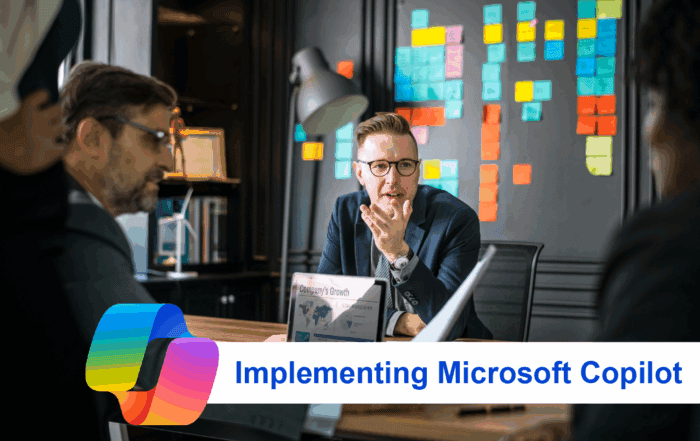
A Practical Guide to Implementing Microsoft Copilot in Your Organization
A Practical Guide to Implementing Microsoft Copilot in Your Organization Date: October 14, 2025 Author: Dustin Miller Microsoft Copilot is transforming how organizations work—but unlocking its full potential requires more than just turning it on. [...]

The Power of Copilot | Boost Productivity with AI
The Power of Copilot Date: October 8, 2025 Author: Dustin Miller 1. What Can Copilot Actually Do for You? Summary: Many professionals and organizations hear about AI tools like Copilot but aren't sure what they [...]
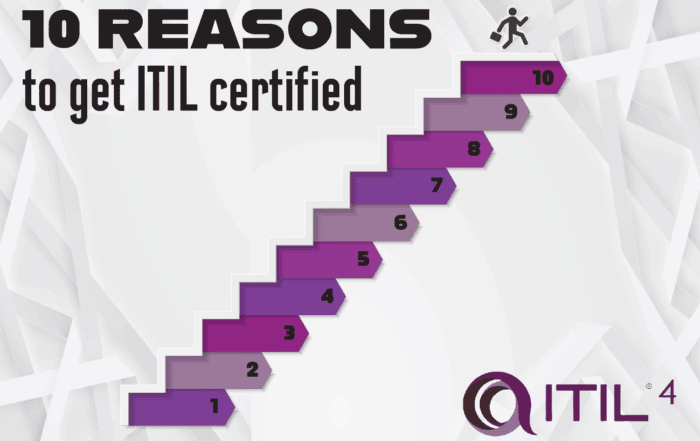
10 Reasons You Should Get ITIL Certified
By Lisa Schwartz, CEO ITSM Academy Published: August 21, 2025 Whether you’re just starting out in IT or you're looking to advance your career and make a bigger impact in your organization, ITIL certification [...]