




02/05/2024
Share This Story, Choose Your Platform!

Crafting an Impressive Cloud Engineer Resume: Expert Tips & Examples
What is a cloud engineer?
Cloud computing has transformed how businesses store, process, and access data. In this digital age, organizations of all sizes are adopting cloud technologies to leverage the benefits of scalability, flexibility, and cost-effectiveness. However, managing and maintaining cloud infrastructure requires specialized expertise. This is where a cloud engineer comes in.
A cloud engineer is a highly skilled professional who is responsible for designing, implementing, and managing an organization’s cloud-based infrastructure. They are proficient in various cloud service providers such as Amazon Web Services (AWS), Microsoft Azure, and Google Cloud Platform (GCP).
As a crucial part of a successful cloud computing ecosystem, these engineers ensure that the systems are efficient, secure, and meet the organization’s needs. To excel in this role, a cloud engineer must possess a solid understanding of networking concepts and virtualization technologies. They are well-versed in architecture design principles specific to cloud environments and have hands-on experience with deployment models such as Infrastructure-as-a-Service (IaaS), Platform-as-a-Service (PaaS), and Software-as-a-Service (SaaS). Additionally, they possess strong programming skills to automate tasks using scripting languages like Python or PowerShell.
One of a cloud engineer’s main responsibilities is optimizing infrastructure performance. They do this by monitoring resource utilization levels and making necessary adjustments to meet demand fluctuations. They also collaborate with cross-functional teams to develop strategies for disaster recovery planning, ensuring business continuity in case of any unforeseen events.
Furthermore, they actively stay updated on emerging trends in the field of cloud computing and explore innovative solutions to improve operational efficiency. A cloud engineer plays a vital role in helping organizations effectively harness the power of cloud computing technology. Their expert knowledge of various platforms ensures smooth operations while enabling business scalability and cost savings. With their strong technical acumen combined with problem-solving skills, these professionals contribute significantly towards creating robust and efficient digital infrastructures that drive modern-day enterprises forward.

Cloud Engineer Resumes: common responsibilities
Cloud engineers play a crucial role in organizations that use cloud computing technologies. Their primary responsibility is to design, implement, and manage cloud-based systems to ensure optimal performance, scalability, and security. Within this broad scope, there are several common responsibilities that can be found in most cloud engineer job descriptions.
Assessing IT Infrastructure
Firstly, a cloud engineer is typically responsible for assessing an organization’s IT infrastructure and identifying areas where cloud solutions can be implemented effectively. This involves analyzing existing systems, applications, and databases to determine the feasibility of migrating them to the cloud. Additionally, they need to evaluate the requirements of different departments within the organization and consult with stakeholders to understand their specific needs.
Designing and Implementing Cloud-Based Architectures
Once the assessment phase is complete, another key responsibility of a cloud engineer is designing and implementing cloud-based architectures. This involves selecting appropriate platforms, such as Amazon Web Services or Microsoft Azure, based on the organization’s requirements and creating scalable solutions that meet both current and future needs. They need to have a deep understanding of various cloud services, such as virtual machines (VMs), storage solutions, containerization platforms like Docker or Kubernetes, and serverless computing services like AWS Lambda or Azure Functions.

Security and Compliance of Cloud-Based Systems
Moreover, a significant part of a cloud engineer’s role is ensuring the security and compliance of cloud-based systems. They must establish robust security measures such as data encryption protocols, access controls, intrusion detection systems (IDS), firewalls, and identity management solutions. Compliance with industry regulations such as GDPR or HIPAA also falls under their purview.
Monitoring System Performance
In addition to these common responsibilities, cloud engineers are also involved in monitoring system performance on an ongoing basis. This includes analyzing resource utilization metrics like CPU usage or network bandwidth consumption to proactively identify potential bottlenecks or capacity constraints. Moreover, collaboration with cross-functional teams such as software developers, system administrators, and network engineers is vital for successfully executing their duties.

Top Resume Tips for Cloud Engineers
When it comes to crafting a compelling cloud engineer resume, there are several key tips that can significantly enhance your chances of standing out among the competition. The first tip is to tailor your resume specifically for the cloud computing industry.
This means highlighting your experience and skills relevant to cloud technologies, such as Amazon Web Services (AWS), Microsoft Azure, Google Cloud Platform (GCP), or others you have worked with. Additionally, emphasize any certifications you have obtained in these areas, as they demonstrate your expertise and dedication.
Another important aspect to consider is showcasing your problem-solving abilities and innovation mindset. Cloud engineering often involves troubleshooting complex issues and devising creative solutions to optimize system performance or enhance security measures.
Therefore, it’s crucial to include specific examples of how you have successfully resolved technical challenges in previous roles. This could involve implementing robust monitoring systems, designing scalable architectures, or streamlining deployment processes.
Moreover, highlighting your knowledge of DevOps practices can be highly beneficial for a cloud engineer resume. Employers value professionals who can seamlessly integrate development and operations workflows within a cloud environment.
Thus, mention any experience you have had with tools like Docker or Kubernetes for containerization and orchestration purposes. Additionally, if you possess expertise in automation frameworks like Ansible or Terraform for Infrastructure as Code (IaC) deployments, be sure to emphasize this skillset as well.
To further strengthen your resume as a cloud engineer, include any exposure you have had to cybersecurity concepts and practices within the realm of cloud computing. Cloud security is a critical concern for organizations migrating their infrastructure to the cloud, so demonstrating familiarity with security best practices will make you an attractive candidate.
Highlight instances where you played an instrumental role in implementing access controls, data encryption measures, or vulnerability assessments. Remember that these top resume tips are just some highlights; however, tailoring your resume based on these suggestions will undoubtedly help showcase your skills and experiences effectively within the realm of cloud engineering.

Important Sections of a Cloud Computing Resume
When it comes to crafting a compelling cloud computing resume, there are several important sections that should be included to showcase your qualifications and expertise. These sections provide a comprehensive overview of your skills, experience, and educational background relevant to the cloud engineering field.
Professional Summary
The professional summary serves as an introductory paragraph at the beginning of your resume, highlighting your key strengths, years of experience in cloud computing, and any notable achievements.
This section should be concise yet impactful, capturing the attention of potential employers right away. It is crucial to tailor this section specifically for each job application by highlighting relevant skills and experiences that align with the specific requirements of the role.
Technical Skills
The technical skills section is essential to any cloud computing resume. It allows you to demonstrate your proficiency in various tools, platforms, and programming languages commonly used in cloud engineering roles.
Some examples of technical skills that can be included are proficiency in Amazon Web Services (AWS), Microsoft Azure, Google Cloud Platform (GCP), programming languages such as Python or Java, containerization technologies like Docker or Kubernetes, and experience with infrastructure-as-code tools like Terraform or Ansible.

Certifications
Certifications play a significant role in validating your expertise in cloud computing technologies.
Including relevant certifications on your resume demonstrates your commitment to continuous learning and professional development within the field. Some widely recognized certifications within the industry include AWS Certified Solutions Architect – Associate/Professional, Microsoft Certified: Azure Solutions Architect Expert, Google Cloud Certified – Professional Cloud Architect/Developer/Engineer, among others.
Education
In this section, provide details about your educational background related to cloud engineering or computer science, if applicable. Include any degrees earned along with the name of the institution attended and graduation dates.
Highlighting relevant coursework can also help emphasize your knowledge in areas such as distributed systems, networking fundamentals, database management systems (DBMS), or any specialized training related to cloud computing.
Projects and Achievements
This section allows you to showcase your hands-on experience in cloud engineering.
Highlight any significant projects you have undertaken that demonstrate your ability to design, implement, and manage cloud-based solutions. Emphasize the positive impact these projects had on the organizations or clients you worked with, including metrics or outcomes achieved.
By incorporating these important sections into your cloud computing resume, you can effectively communicate your skills, experience, and expertise to potential employers. Remember to customize each section based on the specific job requirements and highlight the most relevant information that aligns with the role you are applying for.

Cloud Engineer Resumes: Top Skills & Keywords
When it comes to creating an impactful cloud engineer resume, incorporating the right skills and keywords is crucial. As an aspiring cloud engineer, you need to showcase your proficiency in various technical skills and highlight the specific keywords that recruiters often look for.
First and foremost, it’s essential to emphasize your expertise in cloud platforms such as Amazon Web Services (AWS), Microsoft Azure, Google Cloud Platform (GCP), or any other relevant platform.
These platforms are widely used in industry settings, so showcasing your familiarity with them demonstrates your ability to work with different technologies. Additionally, mentioning specific certifications related to these platforms, such as AWS Certified Solutions Architect or Microsoft Certified: Azure Administrator Associate, can further validate your skills.
Another critical skill for a cloud engineer is proficiency in programming languages such as Python, Java, or Ruby. Demonstrating your coding abilities showcases your technical prowess and indicates your capability to automate tasks and build scalable infrastructure.
Moreover, mentioning experience with infrastructure-as-code tools like Terraform or Ansible highlights your ability to deploy resources efficiently. In addition to technical skills, showcasing a strong knowledge of networking concepts is vital for a successful cloud engineer resume.
Highlighting expertise in virtual private clouds (VPCs), subnets, load balancers, security groups, and routing tables exhibits your ability to design secure and scalable network architectures within a cloud environment. Furthermore, demonstrating competence in containerization technologies like Docker and orchestration tools like Kubernetes can significantly strengthen your resume.
These tools are widely adopted by organizations embracing microservices architecture and can showcase your understanding of deploying applications as independent services. To round off this section on top skills and keywords for a cloud engineer resume effectively requires mentioning additional important competencies such as experience with monitoring systems like Nagios or Prometheus; knowledge of database technologies such as SQL or NoSQL; proficiency in scripting languages like Bash; understanding of security best practices in cloud environments; and familiarity with DevOps methodologies and tools like Jenkins or Git.
By incorporating these skills and keywords strategically throughout your cloud computing resume, you will present yourself as a well-rounded and knowledgeable candidate ready to contribute to any organization’s cloud infrastructure. Remember, it’s essential to tailor your skills and keywords to the job description, aligning yourself with the employer’s requirements and showcasing your ability to effectively meet their needs.

Cloud Engineer Resumes: How to Impress with Your Work Experience
When it comes to impressing potential employers with your work experience on your cloud engineer resume, there are a few key strategies to remember. Firstly, highlight your relevant experience in cloud computing and mention any projects or accomplishments that demonstrate your expertise in this area.
For example, you can discuss how you successfully migrated a company’s infrastructure to the cloud using Azure services or how you implemented cost-saving measures by optimizing the use of cloud resources. Additionally, it is crucial to showcase your ability to work with and troubleshoot various cloud technologies.
This can include detailing your experience with different platforms such as Amazon Web Services (AWS), Google Cloud Platform (GCP), or Microsoft Azure. Be specific about the tasks you performed using these platforms, such as deploying scalable web applications or automating infrastructure provisioning using Infrastructure-as-Code (IaC) tools like Terraform or CloudFormation.
Moreover, highlighting any certifications or training programs related to cloud computing can greatly enhance the impact of your work experience section. Certifications from reputable providers like AWS Certified Solutions Architect or Azure Administrator Associate demonstrate theoretical knowledge and practical skills that make you a valuable asset in the field.

Furthermore, if you have completed any specialized courses on specific aspects of cloud engineering, such as networking or security in the cloud, be sure to mention them as they further validate your expertise. To further impress with your work experience on a cloud engineer resume, consider including any notable achievements related to cost optimization or performance improvement within the projects you were involved in.
Employers value professionals who can consistently deliver results while optimizing resource utilization and reducing expenses. Providing concrete examples of how you achieved these goals will demonstrate that you are competent, efficient, and capable of delivering value.
Don’t forget about soft skills! While technical proficiency is essential for a cloud engineer role, employers also look for individuals who possess strong communication skills and can collaborate effectively within teams.
Highlight instances where you successfully communicated complex technical concepts to non-technical stakeholders or instances where you collaborated with cross-functional teams to deliver projects on time and within budget. By emphasizing your relevant work experience, showcasing your proficiency in cloud technologies, highlighting certifications and achievements, and demonstrating strong communication skills, you will significantly increase your chances of impressing potential employers with your cloud engineer resume.
Conclusion
Are you ready to take your cloud engineering career to the next level? Crafting a compelling resume is your key to standing out in the competitive job market. With our expert tips, you can create a stellar Azure resume that showcases your skills and expertise in cloud computing. Tailor your resume to the specific job requirements, highlight your relevant skills and experience, and incorporate industry-specific terms throughout your resume. By following these best practices, you can position yourself as an ideal candidate for exciting cloud engineer roles and unlock rewarding career prospects in this thriving field.
Read More Articles From MaxTrain Technical Training
New ITIL5 Explained for Certified Professionals
The new ITIL builds on everything professionals already value in ITIL, evolving the framework to reflect today’s digital, product-centric, and AI-enabled reality. Existing knowledge, experience, and certifications remain fully relevant as part of this evolution. [...]
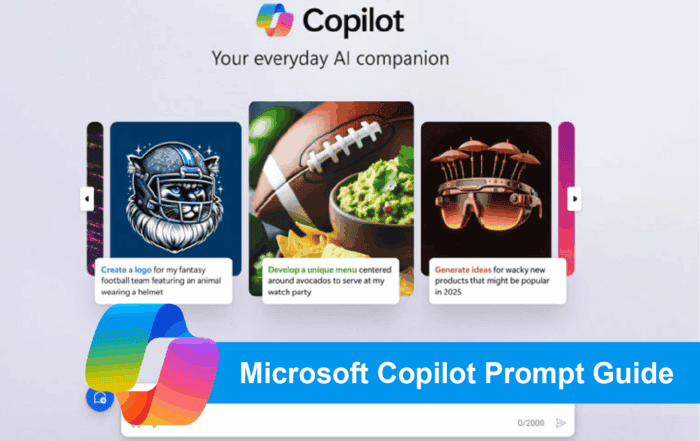
Microsoft Copilot Prompt Guide
Unlocking Productivity with Copilot: A Prompt Library for Microsoft Tools As organizations begin to explore the transformative potential of Microsoft Copilot, one thing becomes clear: the quality of your prompts directly impacts the value you [...]

A Practical Guide to Implementing Microsoft Copilot in Your Organization
A Practical Guide to Implementing Microsoft Copilot in Your Organization Date: October 14, 2025 Author: Dustin Miller Microsoft Copilot is transforming how organizations work—but unlocking its full potential requires more than just turning it on. [...]

The Power of Copilot | Boost Productivity with AI
The Power of Copilot Date: October 8, 2025 Author: Dustin Miller 1. What Can Copilot Actually Do for You? Summary: Many professionals and organizations hear about AI tools like Copilot but aren't sure what they [...]
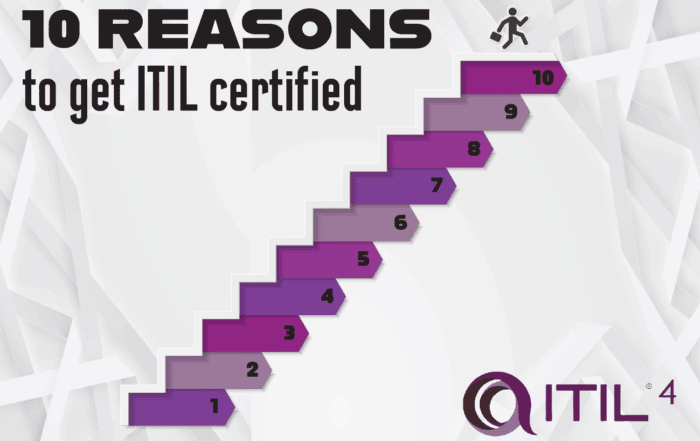
10 Reasons You Should Get ITIL Certified
By Lisa Schwartz, CEO ITSM Academy Published: August 21, 2025 Whether you’re just starting out in IT or you're looking to advance your career and make a bigger impact in your organization, ITIL certification [...]

How to Align ITSM with Organizational Goals: A Step-by-Step Guide
By Professor P. Ross S. Wise Published: March 3, 2025 In today’s fast-paced digital landscape, IT Service Management (ITSM) is no longer just about keeping the lights on—it’s about driving business value and aligning IT [...]